






Common Causes for a Check Engine Light
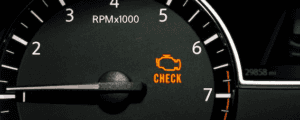
Your car’s check engine light can quickly turn any drive into a harrowing experience: if the engine stops, so does your vehicle. It’s hard not to hear the “cha-ching” sound of a cash register as soon as that check engine light illuminates.
It’s important to understand, however, that sometimes your car’s Check Engine light will illuminate because of a simple, easily fixable issue. Read below for some of the most common reasons that your check engine light may be on so that you have a better understanding of what your car is trying to tell you.
Loose Gas Cap
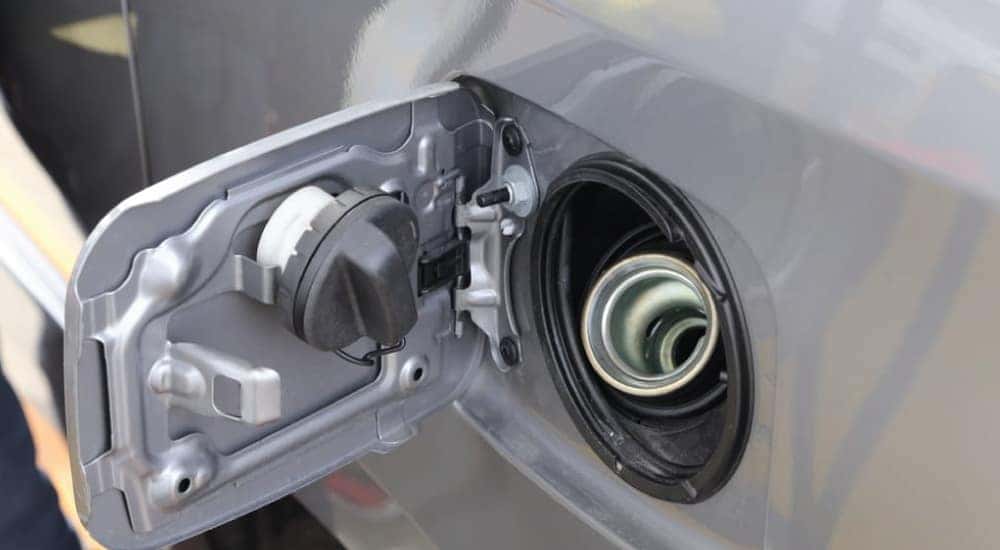
Something as simple as a loose gas cap can trigger your check engine light. This is because the most common cause for a check engine light is from emissions system problems. Your car’s fuel system is a pressurized system, and its computer monitors this pressure at all times while your vehicle is running. When you absent-mindedly leave your fuel cap off or loose – even by half a turn – it can trigger an emissions code in your car’s computer. Your first step when your check engine light comes on is to stop the car somewhere safe, turn the engine off, and check the fuel cap. Keep in mind that a worn or defective fuel cap can also cause this problem.
Faulty Catalytic Converter
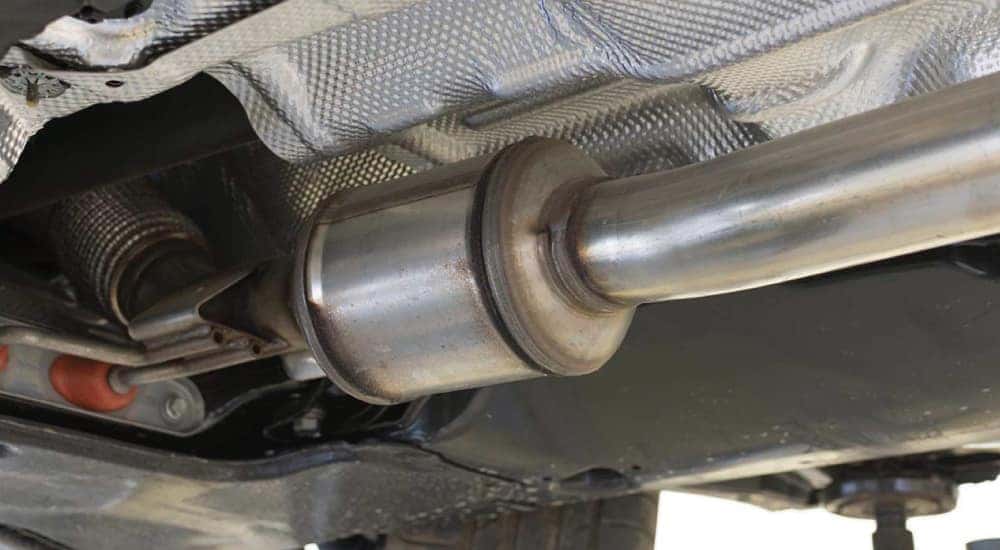
Your car’s catalytic converter converts carbon monoxide into carbon dioxide. Oxygen sensors carefully monitor the catalytic converter’s performance, and a trouble code will appear if something is wrong with the converter. A faulty catalytic converter is often a secondary issue and is usually caused because other issues were ignored. Not fixing your catalytic converter will lead to a failed emissions test, decreased performance, and reduced fuel economy – and it may cause eventual engine failure. Our trained and certified service technicians are happy to help with any issues involving your catalytic converter.
Malfunctioning Oxygen Sensors
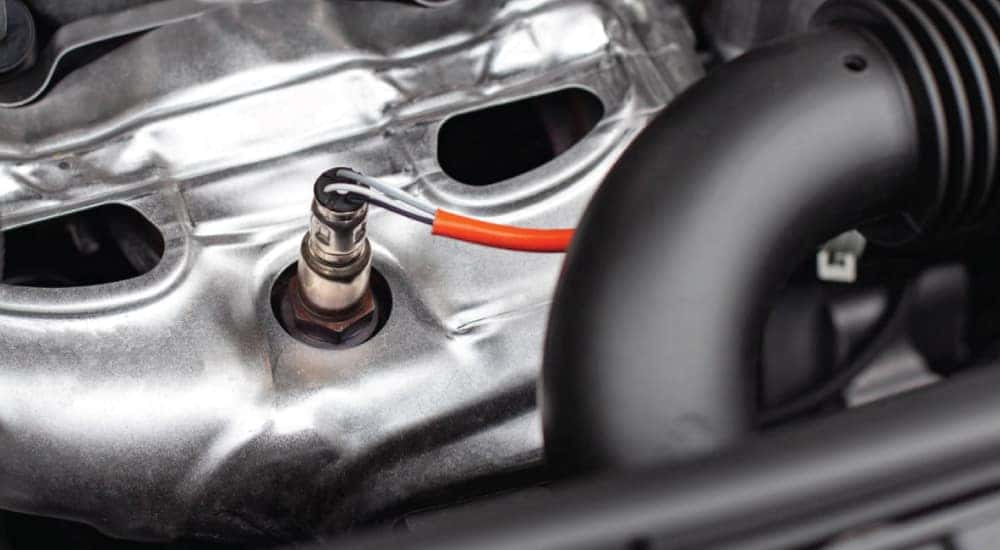
Your vehicle’s oxygen sensors are another emissions system part that will trigger a check engine light. These sensors are screwed into your exhaust system in various places to monitor the air coming out of your engine, and they will indicate to your car’s computer if the air/fuel mixture is running rich or lean. If the sensor fails, becomes clogged, or receives a reading that it’s not supposed to be getting, the faulty oxygen sensor will trigger your check engine light.
Misfires
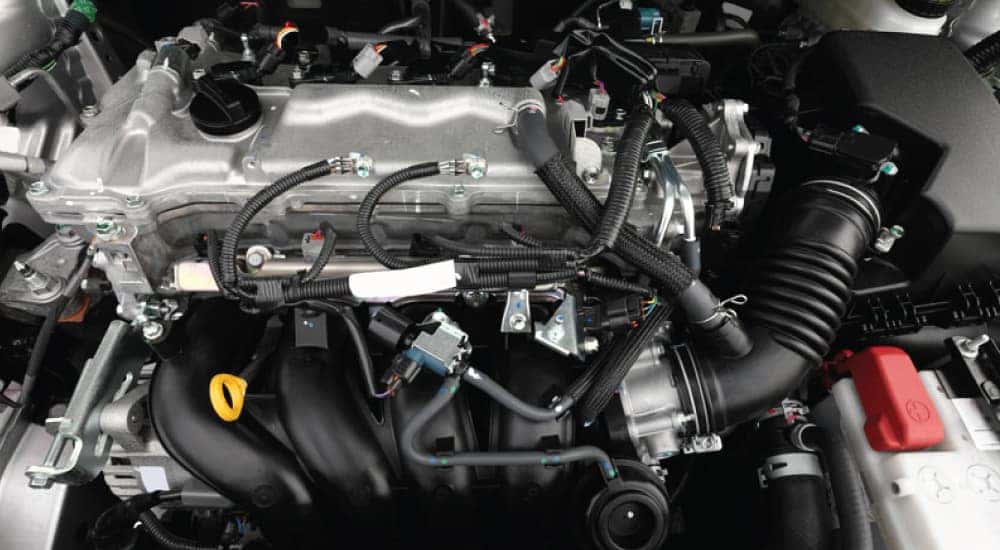
An engine misfire happens when something goes awry as the spark plug ignites the air/fuel mixture in your vehicle’s combustion chamber. Some of the most common culprits include:
-
- Defective ignition coil
- Vacuum leak
- Bad compression
- Defective fuel injector
- Worn spark plugs and/or wires
If you don’t address this misfire, your car will suffer a decline in performance, reduced fuel economy, and possible eventual mechanical failure in the car’s engine. Schedule an appointment with our highly trained service technicians, who can diagnose this issue and keep your vehicle operating properly.
Your vehicle’s check engine light is never an issue to ignore. While the scenarios for an illuminated light can range from mild to severe, ignoring a check engine light can lead to far more expensive repairs down the road and can also present a safety hazard when you’re behind the wheel. You should always have your vehicle assessed by professionals who can properly diagnose the issue.
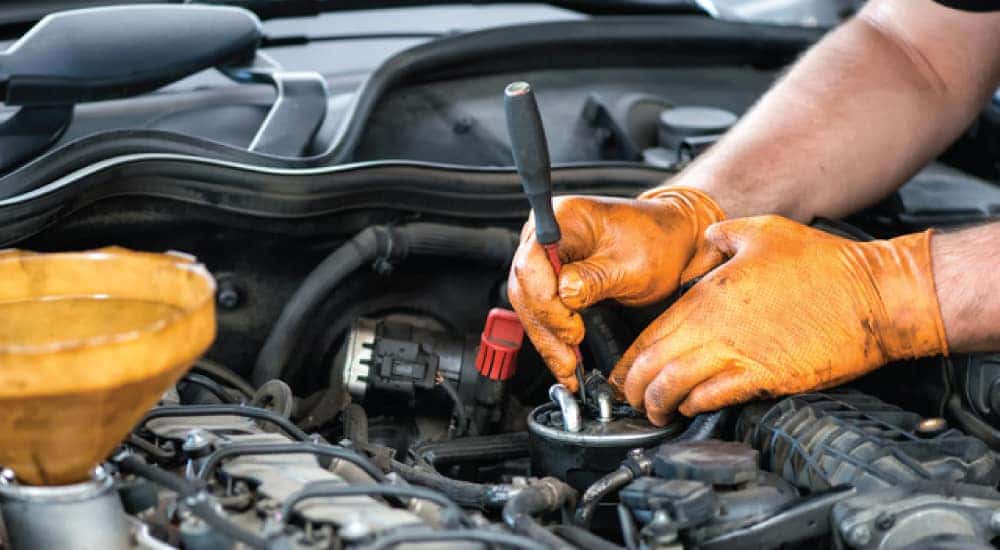
Is your check engine light on? Our highly trained service technicians are happy to help figure out why!
Schedule service through our Online Service Scheduler or give us a call at 888-534-2003.
0 comment(s) so far on Common Causes for a Check Engine Light